


The U.S Treasury Secretary Scott Bessent has announced a fresh wave of sanctions against more than 60 officials, entities, and networks linked to Iran’s military, cyber, and oil trading activities. These sanctions were implemented as part of “Operation Economic Outcast“, aimed at increasing economic pressure on Iran and limited Tehran’s financial resources.
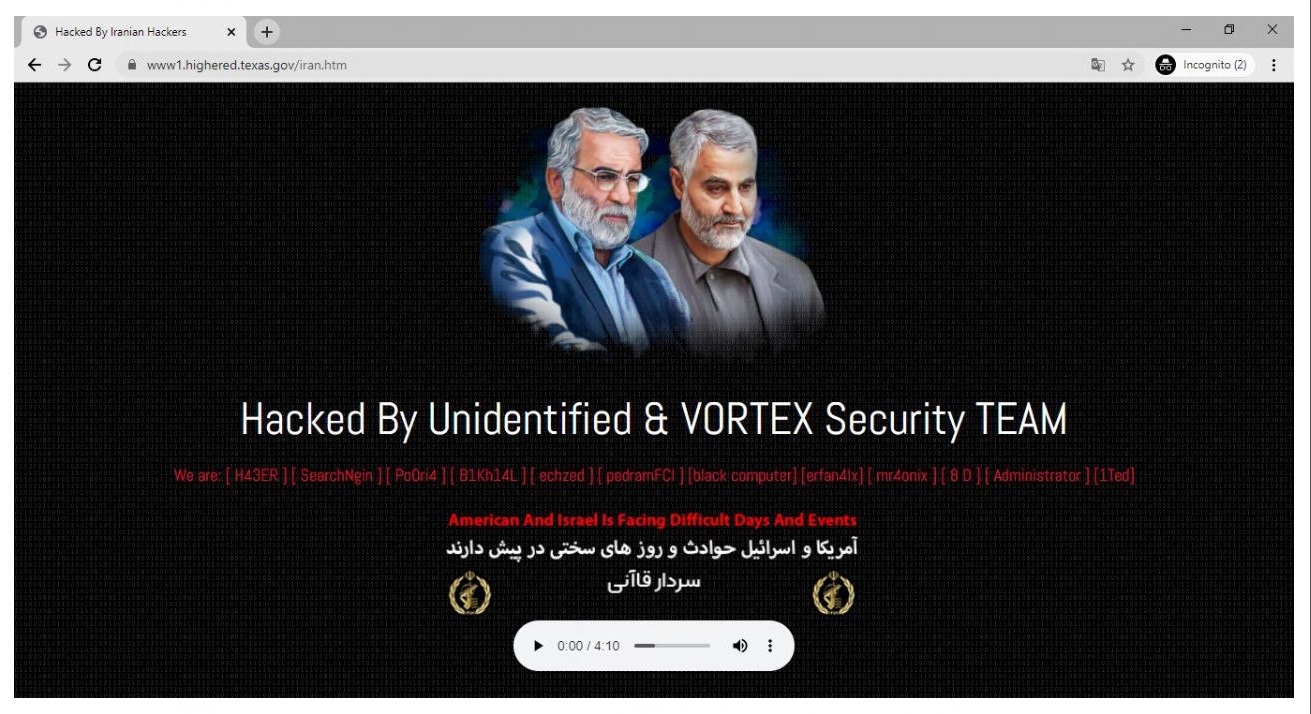
According to a Treasury Department press release dated 24 August, five Iranian hackers – Saber Shahbazi, Arman Kahzadian, Mojtaba Ghaleh-Kouhi, Keyvan Fayyaz, and Behzad Mesri – were sanctioned on Monday for their roles in hacking critical infrastructure. The statement added: “These actions target a regime-led cyber group responsible for widespread infiltration into critical U.S infrastructure.”
These new sanctions were announced a week after the Department of Justice issued an indictment against individuals linked to the Mabna Institute. According to the U.S Treasury, the Mabna Institue has targeted 144 American universities and 178 foreign universities since 2023. Additionally, at least five U.S federal and state government entities and two non-governmental organizations were targeted in its extensive cyber-attack campaign.
In response to the new U.S sanctions on Tehran, Iranian Foreign Ministry spokesperson Esmail Baghaei warned that the country would give a “firm response”, which would include measures against countries collaborating with Washington.
These sanctions highlight the U.S effort to counter Iran’s cyber capabilities. Following a recent wave of cyber-attacks on U.S water facilities, Washington hopes these sanctions will not only punish the hackers but also prevent the regime from further expanding its infiltration into critical U.S infrastructure.