

Class-Based Internet in Iran and the Rollout of the New “Pro Internet” Plan

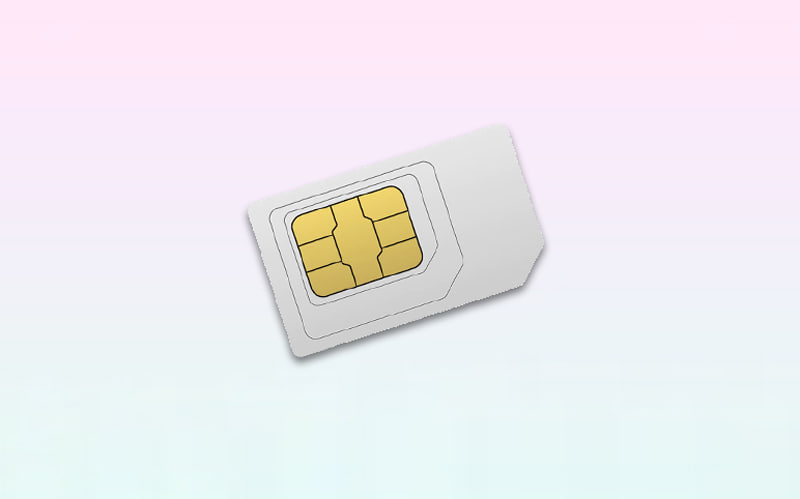
Historically, the Islamic Republic has repeatedly used internet shutdowns as a tool to suppress and censor its people. “White SIM cards” in Iran are a compelling example of how the regime uses this as a tool. White SIM cards (SIM cards with unrestricted internet access) were previously granted to specific individuals, particularly those within the government, allowing them access to the internet even when it has been limited or shut down for most people.
Users of white SIM cards enjoy freedom from internet restrictions, unlike ordinary citizens who suffer from internet censorship, especially during protests. The phenomenon of white SIM cards became particularly apparent after the most recent protests. Their use was highlighted on social media, and those in posession of the SIM cards were called out for accessing the internet during the outages and asked to explain why they had been granted special access. This demonstrates the class division of internet access and discrimination of its use.
Following the recent attacks by the US and Israel on February 28, 2026 the internet in Iran was severely restricted and tens of millions of people lost complete internet access. This outage appears to be the longest internet shutdown in the history of the Islamic Republic, lasting over 60 days of complete disconnection.
Under the new plan, “Internet Pro”, which was recently approved by Iran’s Supreme National Security Council (SNSC), select individuals and entities will regain internet access whilst the rest of the population continues to face restrictions. Initially, the plan will be applied to users with commercial SIM cards and then be expanded to the production, industrial and commercial sectors. The SNSC has emphasized that the plan is specifically designed to help businesses that need internet access. However, millions of Iranians students rely on free internet access for learning and education. The internet restrictions have severely impacted Iranians, particularly this group of people.
One potential solution to internet censorship in Iran is the use of “Direct-To-Cell” technology, which could allow ordinary smartphones to connect directly to satellites. However, this technology is not currently available to most people in Iran.